Art
Find art museums, classes, and more in Arkansas. Learn how to teach art at home and explore wonderful resources to introduce every aspect of the fine arts to your child.
Things to See & Do
Arkansas Arts Center
The Arkansas Arts Center is a museum of art and an active center for the visual and performing arts. As the state's largest cultural institution, the Arkansas Arts Center includes the Arkansas Museum of Art; the Decorative Arts Museum; the Museum School; the Children's Theatre; and State Services. Located in Little Rock.
Historic Arkansas Museum
The Historic Arkansas Museum in Little Rock explores frontier history. Tour the museum's historic grounds and visit a pre-civil war neighborhood, including the oldest home still standing in Little Rock and the site where William Woodruff once printed the Arkansas Gazette. Interact with a living history character and see first-hand how early residents lived. Inside the Museum Center, explore Arkansas-made art and artifacts in four exhibit galleries, see contemporary Arkansas art in the Trinity Gallery, and watch kids having fun in the interactive children's gallery. Shop for quilts and other contemporary crafts in the Museum Store, and see the award-winning introductory video in the theater.
SOS Children's Villages - USA Family Dinner Time Art Contest
The Family Dinner Time Art Contest celebrates family dinner time and kicks off on Thanksgiving each year. Children may submit artwork of their family at dinner time to win a home computer. Artwork can be in any form, but must illustrate a family eating together. For sculptures and other difficult-to-ship items, please send a photo as opposed to the actual artwork.
A winner will be selected from each age group: preschool ages 1-7; grade school ages 8-12; and high school ages 13 -17.
Shankar's International Children's Competition (SICC)
K. Shankar Pillai (July 31, 1902–December 26, 1989) was a famous cartoonist. He brought out a political magazine called ‘Shankar’s Weekly’. Under the auspices of this magazine, a competition called the Shankar’s International Children’s Competition was organized in 1949. It invited paintings and writings from children in India. Children sent about 3,000 entries. The following year the competition was thrown open to children from all over the world.
Today, the competition has grown and about 1,60,000 entries are received from over 130 countries. The entries are judged by an international jury. The prizewinning entries are compiled in a volume called the ‘Shankar’s Children’s Art Number’. The competition is open to children all over the world below the age of 16 years. There is no entry fee and competitors are free to choose the theme/subject they are interested in, or like most, for their paintings/ drawings/writings.
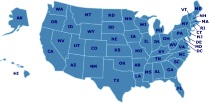
Looking for Another State?
Featured Resources
As an Amazon Associate, we earn from qualifying purchases. We get commissions for purchases made through links on this site.

Responsible Driving, Student Edition
This easy-to-read book features explanations of safe driving techniques and is used in many states as a textbook for in-class driving instruction. It is a great learning tool for a new driver and a good refresher for the more experienced driver.

Safe Young Drivers: A Guide for Parents and Teens
Sixteen is by far the most dangerous age on the road. A 16-year-old is twelve times more likely than older drivers to die in a crash as a single occupant. Put two young teens in a vehicle, and the odds of death and injury nearly double. Despite these sobering facts, the procedure for obtaining a driver’s license in most states remains minimal. Commercial driving schools, even the most competent and conscientious among them, cannot possibly provide complete instruction. This book helps to address...

The Living Page: Keeping Notebooks with Charlotte Mason
Charlotte Mason believed that children need to be trained to see, to have their eyes opened, in order to find joy in life. This work explains the value of using the method of writing in journals or notebooks, as derived from the expansive work of Charlotte Mason. You'll find tips to help your children practice putting their knowledge, thoughts, and pictures down on paper, helping them to retain information better, create something beautiful, and strive for retention.

Why We Homeschool
It is a common misconception that most parents homeschool due to bullies, school shootings, or bad teaching content. While these things are important, there is a higher purpose for choosing to home education your children. Even if all those things were corrected, there are stronger reasons to stay committed to the homeschool model. So why do you homeschool? This book looks at the meaning and significance of a true Christian education.

The Unschooling Handbook : How to Use the Whole World As Your Child's Classroom
Unschooling, a homeschooling method based on the belief that kids learn best when allowed to pursue their natural curiosities and interests, is practiced by 10 to 15 percent of the estimated 1.5 million homeschoolers in the United States. There is no curriculum or master plan for allowing children to decide when, what, and how they will learn, but veteran homeschooler Mary Griffith comes as close as you can get in this slim manual. Written in a conversational, salon-style manner, The Unschooling...