Making Your Decision
Resources
Homeschooling: A Growing Option in American Education
Why Do People Homeschool Their Children?
Who in their right mind would choose to homeschool their kids? Well, lots of people! The reasons to choose homeschool can vary, but many homeschoolers share in a common decision pathway.
50 Reasons People Choose to Homeschool
Reasons for homeschooling are different for everyone. Here are 50 of the more common reasons the families decide to homeschool their kids today.
Why Do People Homeschool?
Excellent education, dedicated teachers with a great teacher-to-student ratio, education tailored to the specific child, integrated education, and better teaching materials are some the reasons that make home education the best choice for your child and your family.
Top 5 Reasons Why Parents Homeschool Their Kids
Homeschooling has been on the rise in the United States over the last ten years. According to the U.S. government and education researchers, the number of students being homeschooled has doubled in the last decade. So, why do parents choose to homeschool their children? Through and anecdotal evidence, Calvert Education has put together the top five reasons why parents decide to homeschool their kids: avoiding a negative school environment, getting a higher quality education, improving social interactions, supporting a learning disabled child, and educating during family times of change.

They're Your Kids: An Inspirational Journey from Self-Doubter to Home School Advocate
For many people, their schooling was uncomfortable, tedious, and sometimes a waste of time and energy. This book offers the idea that the public school system is tragically flawed and that we are able to do better for our own children. Sam Sorbo, mom of three and wife of actor Kevin Sorbo, took the leap into homeschooling and found the joy and success she was seeking. Included are strategies for working parents, those who are scared to take the leap, and anyone who wants the best for their children.

Homeschool Bravely: How to Squash Doubt, Trust God, and Teach Your Child with Confidence
It's time to change your perspective to transform the way you plan, teach, and homeschool. This book helps you to see homeschooling as a calling. With this mindset, you'll be able to dismiss the stress of impossible expectations. Find strategies to help you juggle the logistics of homeschooling with different ages, be a good support for a struggling learner, set realistic goals, dismiss the guilt, and weather any criticism. You can be a hopeful homeschooler! God uses all for good and can transform all of your stress, fears, shortcomings, and successes to create the best plans for your family.

Taking Charge of Your Child's Education: A Guide to Becoming the Primary Influence in Your Child's Life
Every parent wants to give their child the best start in life. The best way to do that is to get fully involved in their educational process as their primary influence. This book is full of helpful information, resources, and tools that will lead you to home education success. Erica Arndt recognizes that the most important factor is the family unit relationships. This book will help you as you make your decision to homeschool.

Should I Home School?: How to Decide What's Right for You & Your Child
Have questions about homeschooling? This book has the answers. The information in this book will help you decide if homeschooling is right for you and your child.
Homeschooling 101: A Guide to Getting Started
Homeschooling 101 gives you the steps to help you get started on your homeschool journey. This guide lays out how to get started, choose and gather curriculum, scheduling, organizing your home, and finding the joy in homeschooling. This book is perfect for new homeschoolers who are looking for real help in taking the first step.
Making Your Decision to Homeschool
Why Unschooling?
Does unschooling mean that your children just hate school? Not at all! Some children learn best in a classroom, but not all do. For those who don't, unschooling might just be the best approach. Children who are unschooled grow to be independent learners and thinkers and enjoy the perspective of being their own best teacher. Rather than asking, "Why unschool?" perhaps the better question is, "Why school?"
Our Family's Decision to Homeschool
How to Respond to Haters When You've Decided to Homeschool
Dear New Homeschooler
101 Reasons to Unschool
Wondering why anyone would unschool their children? Well, here are lots of reasons why unschooling is a good choice. From the fun aspect, to the superior learning, to the avoidance of the unpleasant parts of school, this list gives you lots to think about if you are considering the unschooling approach to the education of your children.
55 Serious Reasons Why You Should Homeschool
Your School Sucks
Why I Homeschool
Should I Homeschool Or Not
Why Unschool?
Why I Homeschool My Children
100 Reasons Why Homeschooling is Good for Families

Guerrilla Learning: How to Give Your Kids a Real Education With or Without School
If you’ve ever felt that your child wasn’t flourishing in school or simply needs something the experts aren’t supplying, you’re ready to become a "guerrilla educator." this books explains what’s wrong (and what’s useful) about our traditional schools and shows you how to take charge of your family’s education to raise thinking, creative young people despite the constraints of traditional schooling. Filled with fun and exciting exercises and projects to do with children of all ages, this remarkable approach to childhood, education, and life will help you release your child’s innate abilities and empower him or her in the wider world that awaits beyond the school walls.
Why Unschool?
This website is presented by two unschooled siblings who have since grown up and are happy to share their experiences with this educational model. Unschooling provides so many opportunities for children to learn about the world without the constraints of a classroom by celebrating a natural love of learning. Families and children can benefit from this wonderful way of learning.
Why the Future of Education is Unschooling
According to John Holt, unschooling allows children the freedom to learn in the world on their own terms. He saw no distinction between learning and living a meaningful life. Learning is a natural process and works best when integrated into the spaces and activities of everyday life. This article takes a look at some of John Holt's philosophy of education and explains why unschooling is often the very best choice of educational model.
What is Unschooling and Why Do Parents Consider It?
Unschooling is fueled by curiosity-driven experiences. It is estimated that about 13 percent of homeschooled children learn through unschooling. Unschooling will look different for every family, but it is founded on the idea of following the child's interests and giving the space and freedom to explore those interests.
Getting Started in Homeschooling: Deciding to Go For It
8 Powerful Reasons Why I Unschool My Kids
Nina Palmo explains the benefits of unschooling by looking at the benefits this model offers. These benefits include better learning, innovative thinking, passion about learning, good preparation for college and the workforce, and even more what the exact point of learning is (hint: it's not just to go to college or enter the workforce). Unschoolers don't have all the answers, but they do dig deep to find the best way to help their children find joy and power in learning.
Why We Are (gulp!) Home Schooling
50 Reasons Homeschooled Kids Love Being Homeschooled
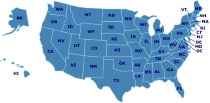
Looking for Another State?
Featured Resources
As an Amazon Associate, we earn from qualifying purchases. We get commissions for purchases made through links on this site.
Should I Home School?: How to Decide What's Right for You & Your Child
Noah Webster's Reading Handbook
Happy Phonics
Phonics Pathways
